
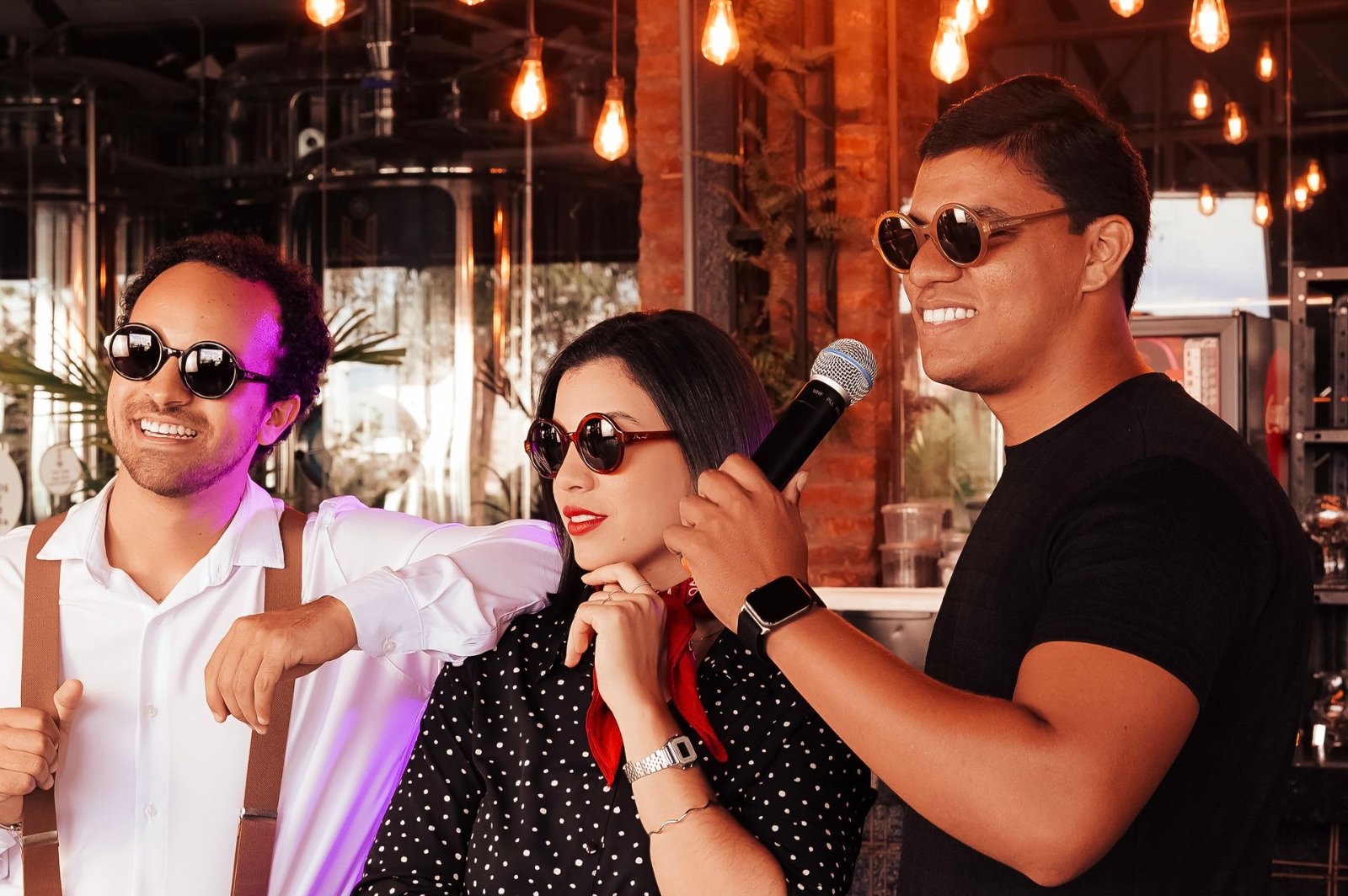
When most people think about bar crawls, they picture a fun night out with friends, moving from venue to venue, sharing laughs and drinks along the way. But beneath the surface of this beloved social tradition lies a fascinating body of psychological and sociological research that explains why these group outings are so powerfully good for us. From strengthening existing friendships to forming entirely new bonds, bar crawls tap into some of our deepest human needs — and Charlotte, NC, with its thriving nightlife scene, is one of the best places in the Southeast to experience these benefits firsthand.
In this article, we'll explore the social science behind bar crawls, examining how structured group outings impact mental health, deepen friendship bonds, and contribute to a stronger sense of community. We'll also look at how organized bar crawl experiences — like those offered by Barcrawlerz in Charlotte — are designed to maximize these social and psychological benefits for participants of all backgrounds.
Understanding the Psychology of Social Bonding
Human beings are fundamentally social creatures. Evolutionary psychologists have long argued that our survival as a species depended on our ability to form and maintain social groups. The need to belong — what psychologist Roy Baumeister famously called one of our most fundamental motivations — drives much of our social behavior, including the activities we choose to engage in during our leisure time.
Bar crawls, at their core, are a structured form of social gathering. They provide a shared goal (visiting multiple venues), a shared timeline, and a shared experience that creates what sociologists call "collective effervescence" — a term coined by Émile Durkheim to describe the sense of energy and connectedness people feel when they come together in a group activity. This feeling of being part of something larger than yourself is not just pleasant; it's psychologically nourishing.
The Role of Shared Experiences in Building Trust
Research in social psychology consistently shows that shared experiences — especially novel and slightly adventurous ones — accelerate the process of trust-building between individuals. When you navigate an unfamiliar bar with someone, laugh about getting lost on the way to the next stop, or cheer together when you find a great cocktail, you're creating what psychologists call "episodic memories" that are uniquely tied to those people.
These shared memories become part of the relational glue that holds friendships together. Studies published in journals like the Journal of Personality and Social Psychology have found that people who engage in novel activities together report higher levels of relationship satisfaction and closeness than those who stick to routine interactions. A bar crawl, by definition, is a novel experience — each stop brings new environments, new stimuli, and new opportunities for memorable moments.
Why Moving Between Locations Matters
One of the unique features of a bar crawl compared to simply spending an evening at one venue is the movement between locations. This might seem like a logistical detail, but it has meaningful psychological implications. Each transition between bars creates what behavioral scientists call a "chapter break" in the experience — a natural pause that allows for reflection, conversation, and renewed energy.
Walking through Charlotte's vibrant streets between venues also introduces an element of shared adventure. Whether you're strolling through the South End, exploring NoDa, or navigating Uptown Charlotte, the journey between stops becomes part of the story. Research on "peak-end theory" by Nobel laureate Daniel Kahneman suggests that we remember experiences based on their most emotionally intense moments and their endings — and bar crawls are naturally structured to create multiple peaks throughout the evening.
Bar Crawls and Mental Health: What the Research Says
Mental health professionals and researchers have increasingly recognized the profound impact of social connection on psychological well-being. Loneliness and social isolation have been identified as significant risk factors for depression, anxiety, and even physical health problems. The good news is that intentional group social activities like bar crawls can serve as a powerful antidote to these risks — when approached mindfully.
Social Connection as a Mental Health Intervention
A landmark study by Julianne Holt-Lunstad, published in the journal Perspectives on Psychological Science, found that social connection is as important to our health as quitting smoking and more impactful than exercise or diet. People with strong social ties have a 50% greater likelihood of survival than those with poor social relationships. While this research encompasses all forms of social connection, it underscores just how vital regular social engagement is to our overall well-being.
Bar crawls provide a structured, low-pressure environment for exactly this kind of social engagement. Unlike formal dinner parties or work events, bar crawls have a built-in casualness that reduces social anxiety. The movement between venues, the ambient noise of different bars, and the shared focus on enjoying the experience all reduce the pressure of sustained one-on-one conversation — making them particularly accessible for people who might otherwise find social gatherings overwhelming.
"Social connection is not a luxury — it is a fundamental human need. Activities that bring people together in shared, enjoyable experiences are among the most powerful tools we have for maintaining psychological health." — Dr. Julianne Holt-Lunstad, Brigham Young University
The Neurochemistry of Fun: Dopamine, Oxytocin, and Serotonin
When you're having a great time on a bar crawl, your brain is working overtime in the best possible way. Several key neurotransmitters and hormones are released during positive social interactions, each contributing to feelings of happiness, connection, and well-being.
Dopamine, often called the "reward chemical," is released when we anticipate and experience pleasurable activities. The novelty of visiting multiple bars, trying new drinks, and exploring different neighborhoods triggers dopamine release throughout the evening, keeping energy and mood elevated.
Oxytocin, the "bonding hormone," is released during positive social interactions, physical touch (like a friendly hug), and shared laughter. Group outings naturally generate all of these, and research shows that oxytocin plays a critical role in deepening trust and emotional closeness between individuals.
Serotonin, which regulates mood and contributes to feelings of happiness and well-being, is also boosted by positive social experiences. Low serotonin levels are associated with depression and anxiety, making regular, enjoyable social activities an important component of mood regulation.
Laughter, Humor, and Psychological Resilience
One of the most consistent features of a successful bar crawl is laughter. Whether it's a hilarious mishap, a funny conversation with a stranger, or an inside joke that develops over the course of the evening, humor plays a central role in the bar crawl experience. And this matters more than you might think.
Research by psychologist Rod Martin has extensively documented the mental health benefits of humor and laughter. Laughter reduces cortisol (the stress hormone), boosts immune function, and strengthens social bonds by signaling safety and trust within a group. Groups that laugh together are more cohesive, more resilient in the face of challenges, and report higher levels of satisfaction in their relationships.
The Sociology of Group Dynamics on Bar Crawls
Beyond individual psychology, bar crawls are fascinating from a sociological perspective. They bring together diverse groups of people — sometimes strangers — and create conditions that encourage interaction, cooperation, and community-building. Understanding the social dynamics at play can help explain why these events are so effective at fostering connection.
In-Group Identity and the Power of Shared Purpose
Social identity theory, developed by Henri Tajfel and John Turner, suggests that we derive a significant part of our self-concept from the groups we belong to. When you join a bar crawl — especially an organized one with matching wristbands, T-shirts, or other markers of group membership — you immediately become part of an in-group with a shared identity and purpose.
This sense of group membership is psychologically powerful. It activates pro-social behaviors — people become more friendly, more helpful, and more open to conversation with fellow participants. In Charlotte's diverse and growing social scene, this dynamic is particularly valuable. Bar crawls organized by companies like Barcrawlerz are expertly designed to leverage this in-group effect, creating a sense of community among participants who may have never met before the event begins.
Breaking Down Social Barriers in Charlotte's Diverse Community
Charlotte is one of the fastest-growing cities in the United States, attracting residents from across the country and around the world. This diversity is one of the city's greatest strengths, but it can also create social silos — where people primarily socialize within their existing networks and rarely venture outside their comfort zones.
Bar crawls serve as a natural bridge across these social divides. When people from different backgrounds, professions, and neighborhoods come together in a shared, enjoyable experience, the usual social barriers tend to dissolve. Research on intergroup contact theory — originally developed by Gordon Allport — suggests that positive, equal-status contact between members of different social groups is one of the most effective ways to reduce prejudice and build mutual understanding.
In this sense, a well-organized bar crawl in Charlotte isn't just a fun night out — it's a genuinely community-building event that contributes to the social fabric of the city.
The Role of Ritual in Social Bonding
Anthropologists have long recognized the importance of ritual in human social life. Rituals — even informal ones — create shared meaning, reinforce group identity, and mark important moments in time. Bar crawls, particularly recurring ones organized around themes or holidays, function as a kind of modern social ritual.
The predictable structure of a bar crawl (gathering at the starting point, moving through a set of venues, ending at a designated final bar) creates a ritualistic framework that participants can anticipate and look forward to. Sociologist Randall Collins has argued that successful rituals generate what he calls "emotional energy" — a feeling of enthusiasm and confidence that persists long after the event itself has ended. This emotional energy is one of the reasons people who attend bar crawls regularly often report feeling more socially connected and energized in the days following the event.
Friendship Bonds: How Bar Crawls Deepen Existing Relationships
While bar crawls are excellent for meeting new people, they're equally valuable for deepening existing friendships. In our busy modern lives, it can be surprisingly difficult to find quality time with friends — time that goes beyond a quick coffee or a distracted dinner where everyone is checking their phones. Bar crawls create a dedicated block of social time with a built-in structure that encourages genuine engagement.
Quality Time and the Investment Model of Relationships
Caryl Rusbult's Investment Model of Commitment suggests that relationship satisfaction is driven by three key factors: the quality of rewards received from the relationship, the perceived quality of alternatives, and the level of investment in the relationship. Shared experiences like bar crawls directly increase the investment component — they represent time, energy, and attention devoted to the relationship, which in turn increases commitment and closeness.
When you spend an entire evening with a group of friends — navigating Charlotte's neighborhoods, discovering new bars together, and creating shared memories — you're making a meaningful investment in those relationships. This is why people who regularly engage in group social activities tend to report stronger, more satisfying friendships than those who primarily communicate through digital channels.
Vulnerability, Authenticity, and Deep Connection
Psychologist Brené Brown's research on vulnerability and connection has shown that authentic self-disclosure — being genuinely yourself with others — is essential to forming deep, meaningful relationships. The relaxed, informal environment of a bar crawl naturally encourages this kind of authenticity.
Away from the pressures of work and the formality of structured social events, people tend to let their guard down. Conversations become more honest, more personal, and more meaningful. The gradual progression through multiple venues mirrors the natural progression of a deepening conversation — each stop provides a fresh context and renewed energy for connection.
Conflict Resolution and Social Cohesion
It's worth noting that group outings like bar crawls also provide informal opportunities for conflict resolution and relationship repair. Research in social psychology has found that positive shared experiences can help "reset" strained relationships by creating new, positive associations to counterbalance negative ones. If you've had a rough patch with a friend or colleague, a bar crawl can provide the low-stakes, positive context needed to rebuild the relationship naturally.
Barcrawlerz: Bringing Social Science to Life in Charlotte, NC
Understanding the social science behind bar crawls is one thing — actually experiencing these benefits requires finding the right event. That's where Barcrawlerz comes in. As one of Charlotte's premier bar crawl organizers, Barcrawlerz has built its events around the very principles that social scientists have identified as key to meaningful social connection.
What Makes Barcrawlerz Different
Barcrawlerz doesn't just organize a walk between bars — they craft an experience designed to maximize social engagement, fun, and community-building. From carefully curated venue selections that showcase the best of Charlotte's nightlife to themed events that give participants a shared identity and talking point, every element of a Barcrawlerz event is thoughtfully designed to bring people together.
Participants receive wristbands and often themed gear that immediately signals group membership — activating the in-group dynamics we discussed earlier. The venues are selected not just for their drink offerings but for their social atmosphere, ensuring that each stop on the crawl provides an environment conducive to conversation and connection. And the structured progression through multiple venues creates exactly the kind of "chapter breaks" and novel experiences that psychological research identifies as key to memorable, bonding experiences.
Charlotte's Nightlife as a Social Laboratory
Charlotte is uniquely positioned to host exceptional bar crawl experiences. The city's diverse neighborhoods each offer a distinct social atmosphere — from the artsy, eclectic energy of NoDa to the polished, upscale vibe of Uptown, to the trendy bars and restaurants of South End. This variety means that a bar crawl through Charlotte's neighborhoods genuinely delivers on the promise of novelty and discovery that makes these events so psychologically stimulating.
Barcrawlerz leverages this geographic and cultural diversity to create bar crawl routes that feel like a genuine tour of the city's social soul. For newcomers to Charlotte, these events are an invaluable way to discover the city's neighborhoods and build a social network in their new home. For longtime residents, they offer a fresh perspective on familiar streets and the opportunity to connect with a broader community than their usual social circle.
Community Events and Their Broader Social Impact
Beyond the individual benefits for participants, events like those organized by Barcrawlerz contribute to Charlotte's broader social health. Research on community cohesion suggests that cities with active, vibrant social scenes — where people regularly come together across social divides — tend to have lower rates of social isolation, higher levels of civic engagement, and stronger overall well-being among residents.
By creating regular, accessible opportunities for social connection in Charlotte, Barcrawlerz is playing a small but meaningful role in building the kind of community that makes a city not just a place to live, but a place to truly belong.
Practical Tips for Maximizing the Mental Health Benefits of Bar Crawls
Armed with an understanding of the social science behind bar crawls, you can take a more intentional approach to these events to maximize their benefits. Here are some evidence-based strategies for getting the most out of your next bar crawl in Charlotte.
Be Present and Minimize Phone Use
Research by psychologist Kostadin Kushlev has found that smartphone use during social interactions significantly reduces the quality of those interactions and leaves participants feeling less connected and less happy. Make a conscious effort to put your phone away during conversations and focus on being genuinely present with the people around you.
Introduce Yourself to New People
The intergroup contact research we discussed earlier suggests that positive interactions with new people are particularly valuable for expanding your social world and building a broader sense of community. Bar crawls provide a natural, low-pressure context for these introductions — take advantage of it by striking up conversations with fellow participants you haven't met before.
Engage with the Environment
Part of what makes bar crawls psychologically stimulating is the novelty of the environments you encounter. Engage actively with each venue — notice the décor, try a drink you've never had before, ask the bartender about their specialty. This active engagement enhances the episodic memories you're creating and makes the experience more vivid and meaningful in retrospect.
Reflect on the Experience Afterward
Research on "savoring" — the practice of deliberately attending to and appreciating positive experiences — suggests that taking time to reflect on enjoyable events extends their psychological benefits significantly. After your bar crawl, take a few minutes to think about or write down the highlights of the evening. Share a photo or a memory with the friends you were with. This reflection reinforces the positive associations and deepens the relational bonds formed during the event.
Make It a Regular Habit
The mental health benefits of social connection are cumulative — they build over time with regular engagement. Rather than treating a bar crawl as a one-off event, consider making it a regular part of your social calendar. Many Charlotte residents who participate in Barcrawlerz events find that the recurring nature of these gatherings — whether seasonal, themed, or monthly — creates a social rhythm that provides ongoing psychological benefits throughout the year.
Addressing Common Concerns About Bar Crawls and Responsible Socializing
Any honest discussion of bar crawls must acknowledge that alcohol is a central element of these events, and responsible consumption is essential to ensuring that the social and psychological benefits we've described are actually realized. The research on social bonding and mental health applies to positive, enjoyable social experiences — and that requires that participants approach these events mindfully and responsibly.
Mindful Drinking and Social Connection
The social benefits of bar crawls are not dependent on heavy drinking. In fact, research suggests that moderate social drinking — sharing a drink in a convivial setting — is associated with positive social outcomes, while excessive drinking undermines them. The goal of a bar crawl, from a social science perspective, is the shared experience and the social interaction — the drinks are a backdrop, not the main event.
Barcrawlerz encourages responsible, mindful participation in all of their events, recognizing that the best social experiences are those where everyone feels safe, comfortable, and in control. Many venues on their Charlotte routes also offer excellent non-alcoholic options, ensuring that participants who don't drink or who choose to pace themselves can fully enjoy the social experience without feeling pressured.
Inclusivity and Accessibility in Social Events
One of the strengths of well-organized bar crawls is their inherent inclusivity — they're designed for groups of people with varying social preferences, backgrounds, and comfort levels. The structure of moving between venues means that no one is stuck in an uncomfortable situation for too long, and the group dynamic provides a natural support system for those who might feel anxious in social settings.
Events organized by Barcrawlerz in Charlotte are designed with this inclusivity in mind, ensuring that participants of all backgrounds and social preferences can find their place within the group and enjoy the experience fully.
The Future of Social Connection in Charlotte's Evolving Nightlife Scene
As Charlotte continues to grow and evolve as a city, the role of organized social events like bar crawls in fostering community connection is only likely to increase. With more people relocating to Charlotte for work and opportunity, the need for accessible, welcoming social experiences that help newcomers build their social networks is greater than ever.
At the same time, the growing body of research on loneliness and social isolation — highlighted by the U.S. Surgeon General's 2023 advisory on the loneliness epidemic — underscores the urgency of creating more opportunities for genuine human connection. Bar crawls, and the companies like Barcrawlerz that organize them thoughtfully and responsibly, are part of the solution to this broader social challenge.
The social science is clear: we need each other. We need shared experiences, laughter, novelty, and the warmth of human connection to thrive. And in Charlotte, NC, one of the most enjoyable ways to meet those needs is to lace up your walking shoes, gather your friends, and hit the city's incredible bar scene — one stop at a time.
Conclusion: More Than Just a Night Out
The next time you join a bar crawl in Charlotte, you'll know that there's a lot more going on beneath the surface of the fun. From the neurochemical rush of dopamine and oxytocin to the sociological dynamics of in-group identity and collective effervescence, bar crawls are a surprisingly sophisticated social technology — one that humans have been using in various forms for centuries to build bonds, celebrate community, and nurture their psychological well-being.
Whether you're a Charlotte native looking to deepen your social roots, a newcomer eager to build your network in your new city, or simply someone who values the irreplaceable pleasure of a great night out with great people, a bar crawl offers something genuinely valuable. And with Barcrawlerz crafting exceptional bar crawl experiences throughout Charlotte's vibrant neighborhoods, the opportunity to experience these benefits is always just around the corner.
So go ahead — make the plans, gather your people, and head out into the city. Your mental health, your friendships, and your sense of community will thank you for it.
"In every community, there is work to be done. In every nation, there are wounds to heal. In every heart, there is the power to do it." — Marianne Williamson
Charlotte is a city full of possibility, warmth, and connection. Bar crawls — done right, done responsibly, and done with intention — are one of the most enjoyable ways to tap into that possibility and build the kind of social life that makes life genuinely richer. Explore what Barcrawlerz has to offer, and discover for yourself why the social science of group outings is more than just theory — it's a lived experience waiting to happen.